
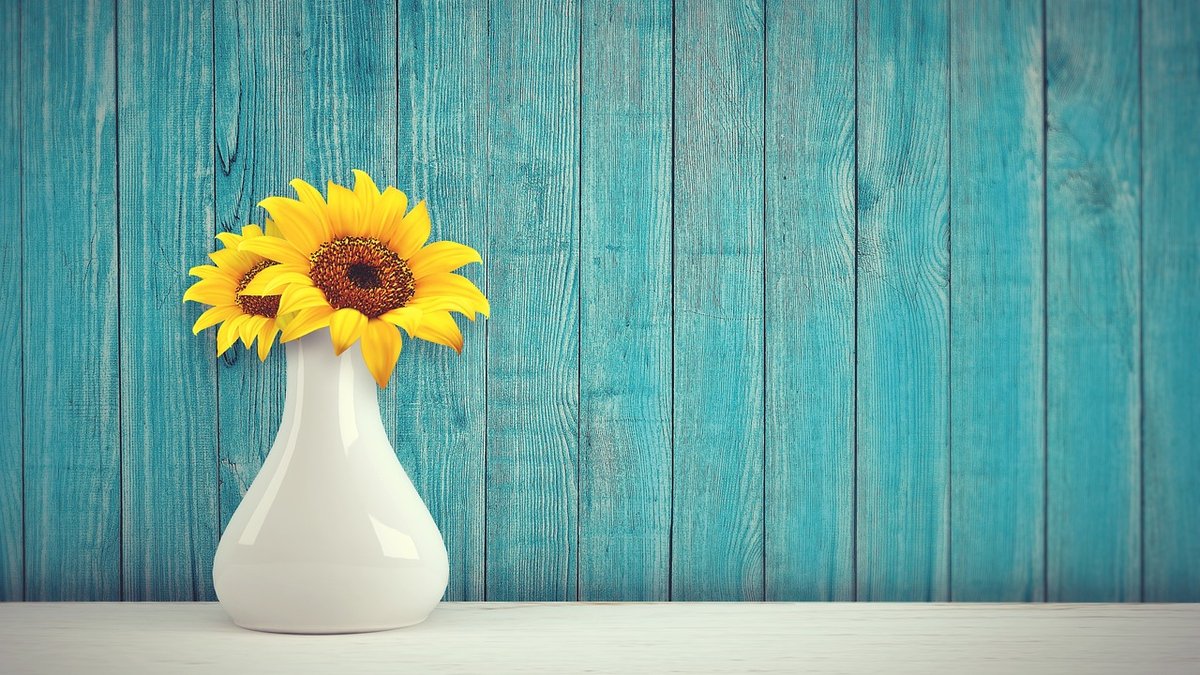
A rose looks serene in a vase, but the moment it leaves the plant it is fighting a losing battle. Water evaporates from the petals far faster than it can be drawn up through a stem that has just been severed, and the first thing that happens at that cut surface is a tiny air pocket, or embolism, which blocks the channels that carry water upwards. Add the bacteria that multiply in stale vase water and you have the two great enemies of vase life.
Conditioning is simply the set of small, deliberate steps that give a rose a fighting chance: opening the channels, getting water in fast, and keeping that water clean. Do it well and a good rose will hold for a week or more instead of collapsing after three days. It takes ten minutes, and it is the single most useful habit any rose lover can learn.
Work at a clean bench with a bucket of lukewarm water beside you, so that no stem is ever left standing dry for more than a few seconds. Begin at the bottom and work upwards.
If you are working with an old-fashioned garden rose whose stems are woody and reluctant, sear the last 3 cm in just-boiled water for about thirty seconds, then plunge straight into cold deep water. The heat clears the blockage and the cold stops the damage travelling further up the stem.
Now for the part most people skip. Stand the prepared roses in a tall, clean bucket filled with lukewarm water to just below the lowest leaf — deep water, meaning the stems are submerged for a good 10–15 cm, not merely paddling in an inch. Lukewarm water moves into the stem more readily than cold, and roses respond to it noticeably.
Leave them there for at least four to six hours, and overnight if you can manage it. Choose a cool, dim spot away from sunshine, radiators and draughts. This is the recovery period in which the rose refills its tissues, and blooms that have had a proper drink before arranging will hold far longer than those pushed straight into a vase. Arrange them only once they have stood and firmed up again.
Bacteria, not thirst, is what usually finishes off a vase of roses. Cloudy water and slimy stems are the visible signs, but the damage to the stems happens before you notice it. Fresh water every single day is the discipline that pays off most.
Where you place the vase matters as much as what you put in it. Keep roses out of direct sunlight, which warms the water and speeds evaporation from the petals, and away from radiators, lamps and the tops of appliances that throw off heat. A bright room at a steady 18–21°C suits them beautifully.
Two things catch people out. The first is a bowl of ripening fruit nearby: bananas, apples and pears release ethylene gas, which shortens the life of cut flowers dramatically. The second is the draughty hallway or open window, where moving air strips moisture from soft petals. Move the vase to a cool, still room overnight and your roses will reward you the following morning.
Conditioning begins even before the secateurs come out. If you are cutting from the garden, do it in the early morning when stems are full of water, and choose blooms whose outer petals have just begun to unfurl rather than those already wide open. Take a long stem, cutting above a strong outward-facing leaf, and drop it straight into a bucket of water you have carried out with you.
Roses with many soft, thin petals — the deeply cupped, old-fashioned sorts — simply will not last as long as those with firm, waxy, high-centred blooms, so plan your arrangements accordingly. Handle buds by the stem rather than the flower head, keep the whole job cool and unhurried, and you will find that a little care at the start buys you days of scent and colour at the table.

Hi, my name is Anthony kuber. I am artist and fashion designer.
I love to travel and writing blogging.
Your email address will not be published. Required fields are marked *
Software Developer & Writer
Hey, I'm Diva, a developer and writer blending code and creativity. I'm driven by a deep curiosity and a relentless pursuit of excellence. Join me as I craft digital solutions and captivating stories.


