
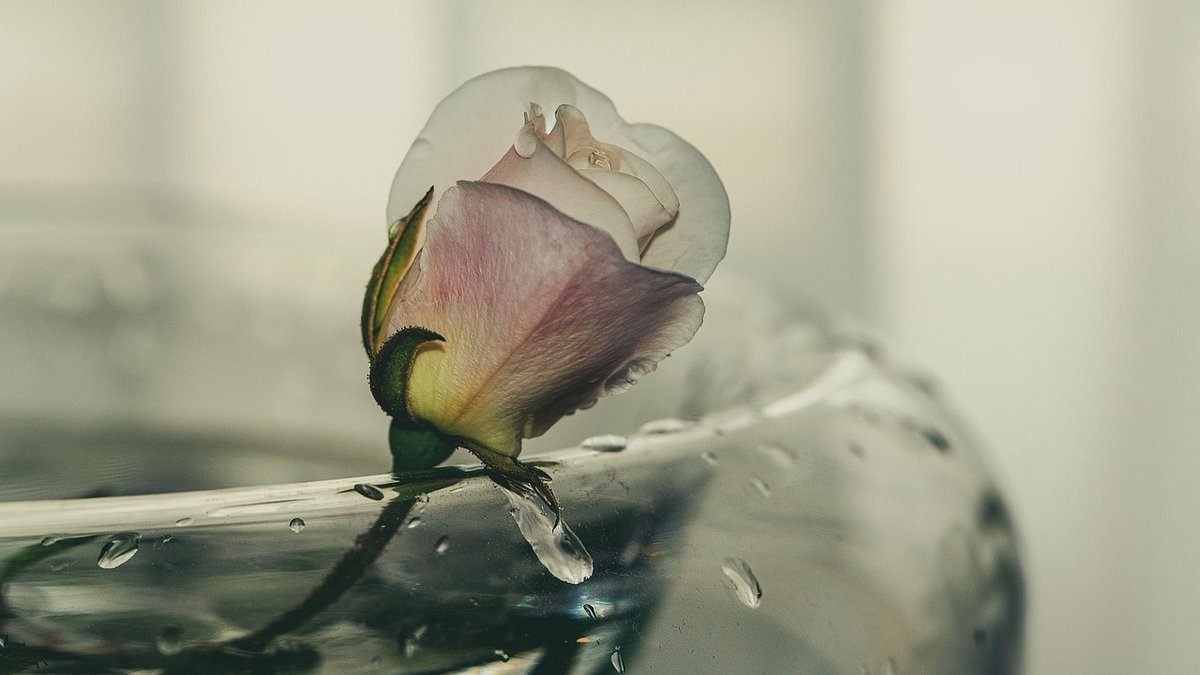
There is something quietly wonderful about stepping onto a patio on a June morning and being met by the scent of a rose you grew yourself. Container growing suits roses far better than many gardeners expect. Modern patio and shrub roses, compact floribundas, and even a modest climber trained against a wall will all settle happily into a large pot provided their roots are kept cool, damp and well fed.
What pots give you is control. You choose the compost, so drainage is exactly as you want it. You choose the position, so you can chase the sunshine and shelter the blooms from wind. Best of all, you can move the whole plant when the weather turns nasty, which is a luxury no border rose ever gets.
Size is where most container roses fail. A rose in a small pot will sulk, dry out twice a day and never build the root system it needs to flower properly. For a patio rose, aim for a pot at least 35cm across. For a shrub rose, standard or small climber, go for 45–50cm in diameter and around 40 litres of compost. Bigger really is better, and a heavy pot is a stable pot.
Terracotta looks lovely, but it dries out fast, cracks in hard frosts, and is heavy to shift. Glazed ceramic, frost-proof stone composite or even a sturdy half-barrel will serve you better. Whatever you choose, it must have generous drainage holes and stand on pot feet so water never sits underneath.
For compost, roses want free-draining richness. A blend works nicely:
Add crocks or broken polystyrene at the base, then plant so the graft union sits just below the surface of the compost.
Roses want sun. Give them six hours or more a day if you can, ideally with the base of the plant shaded by other pots or a low hedge. This keeps the roots cool while the leaves bask, which reduces stress and helps prevent blackspot. Shelter from strong prevailing wind matters too, because patio pots can topple and blooms bruise quickly.
Water thoroughly at planting and keep the compost consistently moist for the first fortnight while roots establish. Don't firm the compost down like a border soil — a gentle press is plenty.
Consistency is the whole art of container roses. In summer, a mature rose in a large pot may need watering every day, and twice daily during a heatwave. Water in the morning where possible, soaking until it runs freely from the drainage holes. Little and often simply wets the surface and encourages shallow, vulnerable roots.
Feeding matters just as much, since compost nutrients wash away with every watering.
Top-dress each spring by removing the top 5cm of compost and replacing it with fresh mix and a little well-rotted manure.
Deadhead regularly, cutting back to a leaf with five leaflets, which encourages fresh flowering shoots rather than pointless hips. In late winter, prune shrub and patio roses by roughly a third, removing dead, crossing and spindly stems to an outward-facing bud. Standards need their heads thinned and shaped; climbers want their long stems tied in and side shoots shortened.
Watch for aphids in late spring — a firm jet of water usually deals with them. Blackspot and rust are best managed by picking off affected leaves early, watering the soil rather than the foliage, and keeping good airflow around the pot.
Extreme weather is the container rose's biggest enemy. Roots in a pot freeze far faster than roots in the ground, and a hard frost can crack the container itself. Move pots against a sheltered house wall, group them together for mutual insulation, and raise them onto pot feet or bricks so they never stand in standing water.
Wrap the pot, not the plant, in bubble wrap, hessian or an old fleece, and mulch the surface with bark or compost. In very cold spells, a temporary move into an unheated greenhouse or garage is ideal. Tender patio types benefit most; hardy shrub roses cope well with a little protection and a lot of drainage.
Do those few things and your pots will reward you year after year, filling the patio with scent, colour and cut flowers for the vase.

Hi, my name is Anthony kuber. I am artist and fashion designer.
I love to travel and writing blogging.
Your email address will not be published. Required fields are marked *
Software Developer & Writer
Hey, I'm Diva, a developer and writer blending code and creativity. I'm driven by a deep curiosity and a relentless pursuit of excellence. Join me as I craft digital solutions and captivating stories.


