
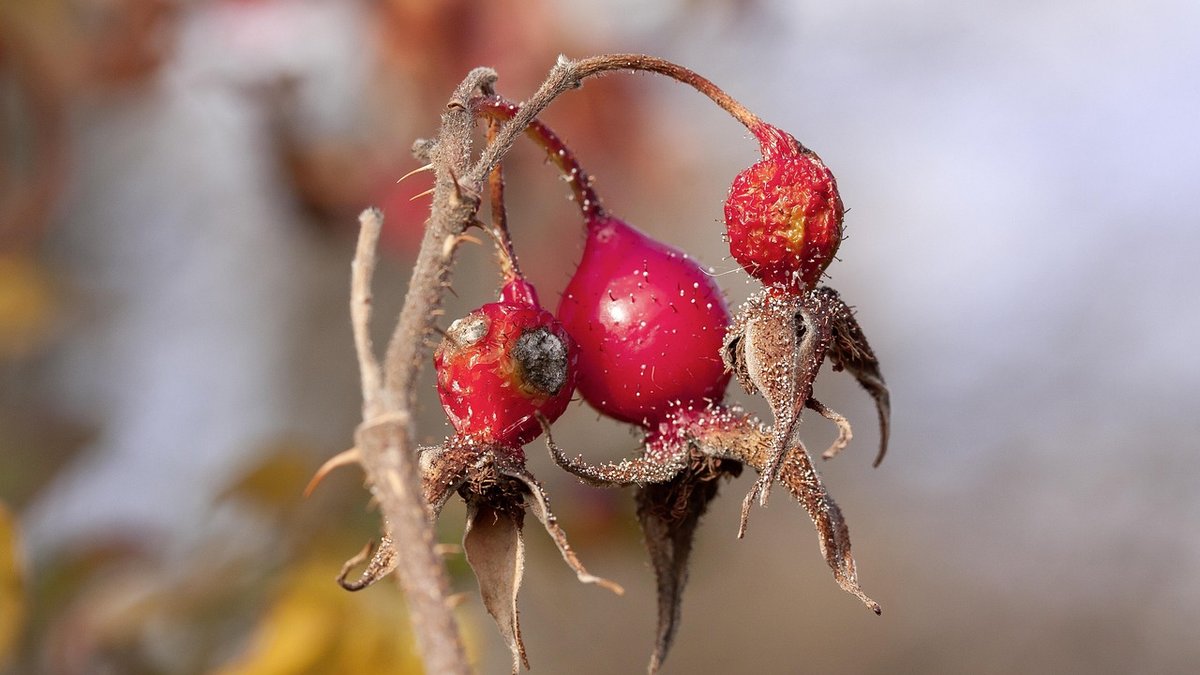
There is a quiet magic to planting roses in autumn. The soil is still warm from summer, the air has turned cool and damp, and the plant itself is winding down rather than pushing out new growth. That combination is exactly what a bare root rose wants. Instead of spending energy on leaves and flowers, it puts everything into settling its roots before the cold arrives.
Bare root roses arrive dormant, usually as a bundle of roots with a few strong stems and no soil around them. Between November and March you will find the widest choice of varieties in this form, and they are often considerably cheaper than potted equivalents. Planted in autumn, they have weeks of gentle soil warmth to establish before winter, which means they hit spring running. By the time your neighbours are planting in April, yours will already be rooting deeply and preparing to flower.
Autumn planting also suits the British climate beautifully. Our winters are usually mild enough that roots keep working slowly, and autumn rain does much of the watering for you. Get the basics right now and you will be rewarded with a stronger, more resilient rose for years to come.
Roses are greedy, thirsty plants and they hate sitting in waterlogged ground. Choose a position with at least six hours of sun a day, ideally with good air movement to reduce problems with blackspot and mildew. If you are replacing an old rose, do not plant in the same hole. Rose sickness is real, and fresh soil is the simplest cure, so move the planting position or replace a generous barrowful of soil with fresh material from elsewhere in the garden.
Start preparing the ground a couple of weeks before planting if you can. Dig over the area to a spade's depth and fork the base to break up any compaction. Then improve it properly:
Never plant into frozen or sodden ground. If the weather turns against you, heel the roses into a spare patch of soil or a pot of damp compost and wait for a better day.
Before planting, soak the roots in a bucket of water for an hour or two. Then trim any broken or damaged roots with clean secateurs, cutting back to healthy white tissue. Dig a hole wide enough to spread the roots out fully, roughly 40cm across and deep enough that the graft union, the knobbly joint where stems meet roots, sits just below soil level. In sandy soils, plant so the union is about 5cm below the surface; in clay, around 2–3cm is plenty.
Spread the roots over a small mound of soil in the base of the hole so they sit naturally, then backfill gently, firming with your heel as you go. You want the rose held firmly with no air pockets, but not so compacted that water cannot drain. Water thoroughly even if rain is forecast, as this settles soil around the roots.
Spacing matters more than many gardeners realise. Bush roses need about 45–60cm between plants, while climbers and ramblers want 2–3 metres of wall or fence run each. Crowded roses compete for water and nutrients and are far more prone to disease. For climbers, fit your support wires or trellis before planting so you do not disturb roots later, and tie in stems loosely as they grow.
The biggest mistake with autumn planting is assuming rain does everything. A newly planted rose needs consistent moisture while roots knit into surrounding soil. Water deeply once a week in dry spells right through to spring, giving a full watering can per plant rather than a light sprinkle. In very wet winters, check that water is not pooling around the stem, and fork the surface gently to keep it open.
Mulch after planting with a 5–8cm layer of well-rotted manure or compost, keeping it clear of the stems to avoid rotting the graft. This suppresses weeds, holds moisture and feeds the soil as it breaks down. If you garden in an exposed or very cold spot, mound dry soil or compost over the base of the stems to protect the graft. Firm plants back down in early March.
Pruning can wait. Leave the stems unpruned until late February or March, then cut them back to about 15–20cm above ground on bush roses, cutting to an outward-facing bud. This encourages a strong framework rather than weak, spindly growth.
Roses look wonderful with partners, and some pairings genuinely help. Lavender, salvia, nepeta and hardy geraniums mask bare lower stems and attract pollinators and predatory insects that keep aphids in check. Alliums and chives are classic companions, while a low underplanting of violas or alpine strawberries softens the base of the plant and keeps soil shaded.
Keep competition manageable, though. Anything within 30cm of the rose should be shallow-rooted and not greedy for water. Avoid planting roses in the same border as vigorous shrubs that will swallow them, and leave room for air to circulate.
Plant well in autumn, mulch generously, keep the water topped up and be patient. The reward is a rose that grows away strongly in its first spring, and gives you armfuls of blooms for the vase within a season or two.

Hi, my name is Anthony kuber. I am artist and fashion designer.
I love to travel and writing blogging.
Your email address will not be published. Required fields are marked *
Software Developer & Writer
Hey, I'm Diva, a developer and writer blending code and creativity. I'm driven by a deep curiosity and a relentless pursuit of excellence. Join me as I craft digital solutions and captivating stories.


