
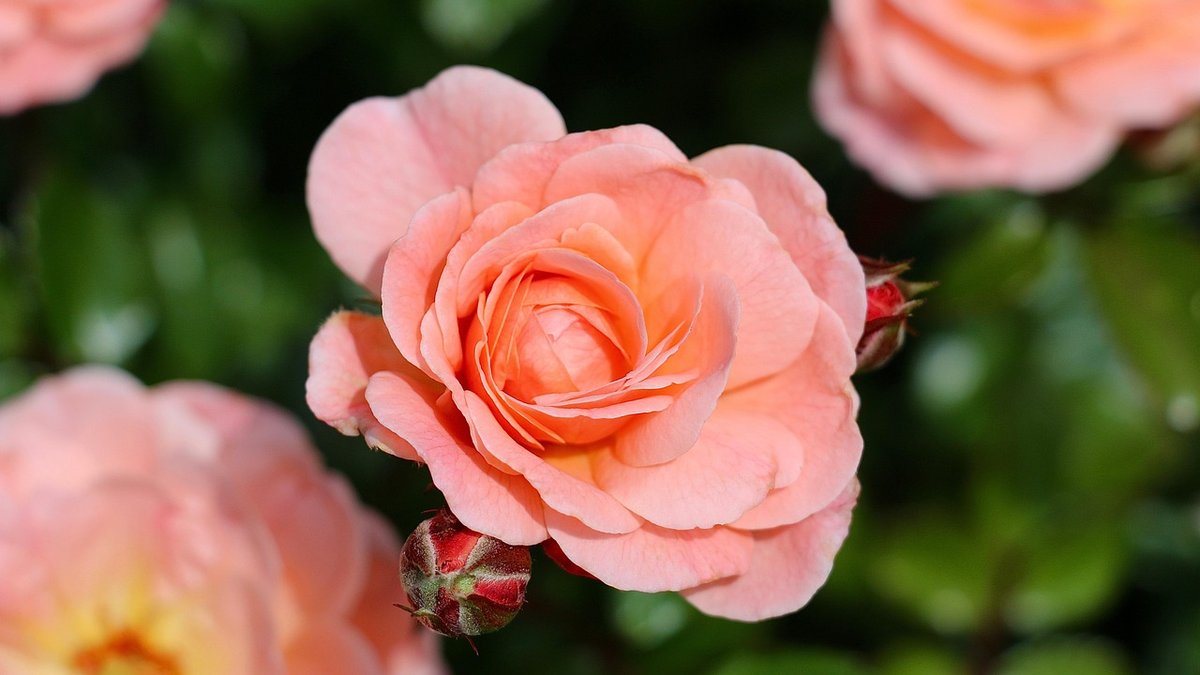
Roses are generous, but they ask for vigilance. The earliest symptoms of disease are easy to miss when you are admiring a first flush of bloom. Yet acting within a week or two can mean the difference between a minor setback and a summer of bare stems. The three complaints you are most likely to meet in a UK garden are black spot, rust and powdery mildew. All are fungal, all weaken the plant by reducing photosynthesis, and all spread faster in still, damp conditions. Spotting them early is the foundation of good rose care – and of clean, unblemished stems for the vase.
Black spot appears as dark, roughly circular spots on the upper leaf surface, often with a fringed edge. As spots enlarge, surrounding leaf turns yellow and falls prematurely. The fungus overwinters in fallen leaves and on infected stems, releasing spores during wet weather. Splashing water carries spores upwards.
If widespread, a fungicide based on sulphur or potassium bicarbonate can protect new growth, but works best alongside cultural measures. Follow label instructions.
Rust shows as bright orange or rust-coloured pustules on leaf undersides; upper surfaces turn pale yellow. Badly affected leaves curl, dry and fall. It thrives in wet conditions, overwinters on stems and debris, and is worst on crowded, older roses where air cannot move freely.
Spores spread by wind and water splash, so water at the base, not over foliage. Apply fungicide at first sign if needed.
Powdery mildew is a white, dusty coating on leaves, shoots and buds. Unlike black spot and rust, it does not need free water on leaves. It prefers warm, dry days and cool, humid nights – common in a UK summer. It also attacks roses in dry soil or poor air circulation. Leaves may twist, distort and drop; buds can fail to open.
A weekly spray of diluted milk (one part to nine parts water) in early morning can help prevent mildew. For stronger action, use a sulphur-based fungicide, but never in full sun or above 25°C.
All three diseases prefer still, damp, crowded conditions. The single most effective step is to give roses enough space. Aim for at least 60–90 cm between bushes, and prune to create an open centre so air moves through. Water deeply at the base, ideally in the morning, so splashes on foliage dry quickly. Avoid overhead irrigation and do not work among wet roses, as you can spread spores on clothing and tools.
Hygiene matters too. Collect fallen leaves regularly – a soft rake or reverse leaf blower makes light work. Do not compost diseased material unless your heap reaches 60°C. Clean secateurs and gloves after handling infected plants. A 2–3 cm layer of mulch helps stop spores splashing up from the soil.
Start in late winter with a thorough clean-up: remove old leaves, prune out dead or crossing stems, and apply fresh mulch. In spring, as buds break, feed with a balanced rose fertiliser and begin watering. Check plants weekly through summer – a five-minute walk with a cup of tea catches trouble early. Remove suspicious leaves immediately, and if disease takes hold, act with a suitable fungicide alongside cultural controls, not instead of them.
Healthy roses are not just better garden plants; they are better cut flowers. Stems free of black spot and rust hold their leaves longer in the vase, and blooms from a well-airflowed bush are less likely to harbour mildew. Whether you arrange a tight posy or a loose garden-gathered bowl, quality begins in the border. Keep leaves dry, air moving and soil moist, and your roses will reward you season after season.

Hi, my name is Anthony kuber. I am artist and fashion designer.
I love to travel and writing blogging.
Your email address will not be published. Required fields are marked *
Software Developer & Writer
Hey, I'm Diva, a developer and writer blending code and creativity. I'm driven by a deep curiosity and a relentless pursuit of excellence. Join me as I craft digital solutions and captivating stories.


